
Safeguarding the Harmony of Life: Protecting Biodiversity for a Sustainable Future


Behind every sound that brings the forest to life, from the birdsong greeting the morning to the gentle rustling of branches brushing against one another, lies a story of interconnected life. No species exist in isolation; each is part of nature’s harmony, contributing to the balance that sustains life.
The flora and fauna captured in these photographs represent part of the rich biodiversity found within Indika Nature’s conservation area in Telaga Mas, Kalimantan. As we commemorate National Flora and Fauna Day, we are reminded that protecting nature goes beyond safeguarding individual species. It also means maintaining the balance of ecosystems that sustain life today and for generations to come.
White-throated Kingfisher – Halcyon smyrnensis (1st picture)
The White-throated Kingfisher is a medium-sized bird with a reddish-brown head and body, bright blue wings, and a white throat. It inhabits open forests, gardens, wetlands, and agricultural areas. Its diet consists of insects, fish, frogs, lizards, and small rodents.
Sunda Pangolin – Manis javanica (2nd picture)
The Sunda Pangolin is a scaly mammal native to the tropical forests of Southeast Asia. It feeds primarily on ants and termites, using its long, sticky tongue to capture its prey. When threatened, it curls into a ball to protect itself. The species is classified as Critically Endangered due to illegal hunting and wildlife trafficking.
Black Hornbill – Anthracoceros malayanus (3rd picture)
The Black Hornbill is a hornbill species found in the tropical forests of Southeast Asia. It has predominantly black plumage and a large yellow bill. Its diet consists mainly of fruit, also includes insects and small animals. As an important seed disperser, the Black Hornbill plays a vital role in supporting forest regeneration.
Ylang-Ylang – Cananga odorata (4th picture)
Ylang-ylang is a tropical tree known for its greenish-yellow flowers and distinctive sweet fragrance. Its flowers feature long, drooping petals and release a more intense aroma at night. Thriving in tropical regions, the tree produces essential oil widely used in the perfume and aromatherapy industries.
Rain Tree – Koompassia excelsa (5th picture)
The Rain Tree is a tropical tree native to Southeast Asia, known for its impressive height, straight trunk, and broad canopy. It provides habitat and shelter for various wildlife species. Its presence also contributes to maintaining forest ecosystem balance and supporting biodiversity.
Because when one form of life is protected, countless others are given the opportunity to continue growing.
Indika Nature Stories
-
 22 January 2026
Specialty Extracts Laboratory Officially Launched: Laying the Foundation for Natura’s Innovation-Driven Growth
-
 22 November 2024
Indika Nature Participation in COP29: Commitment and Action Towards Sustainable Future
-
 3 October 2024
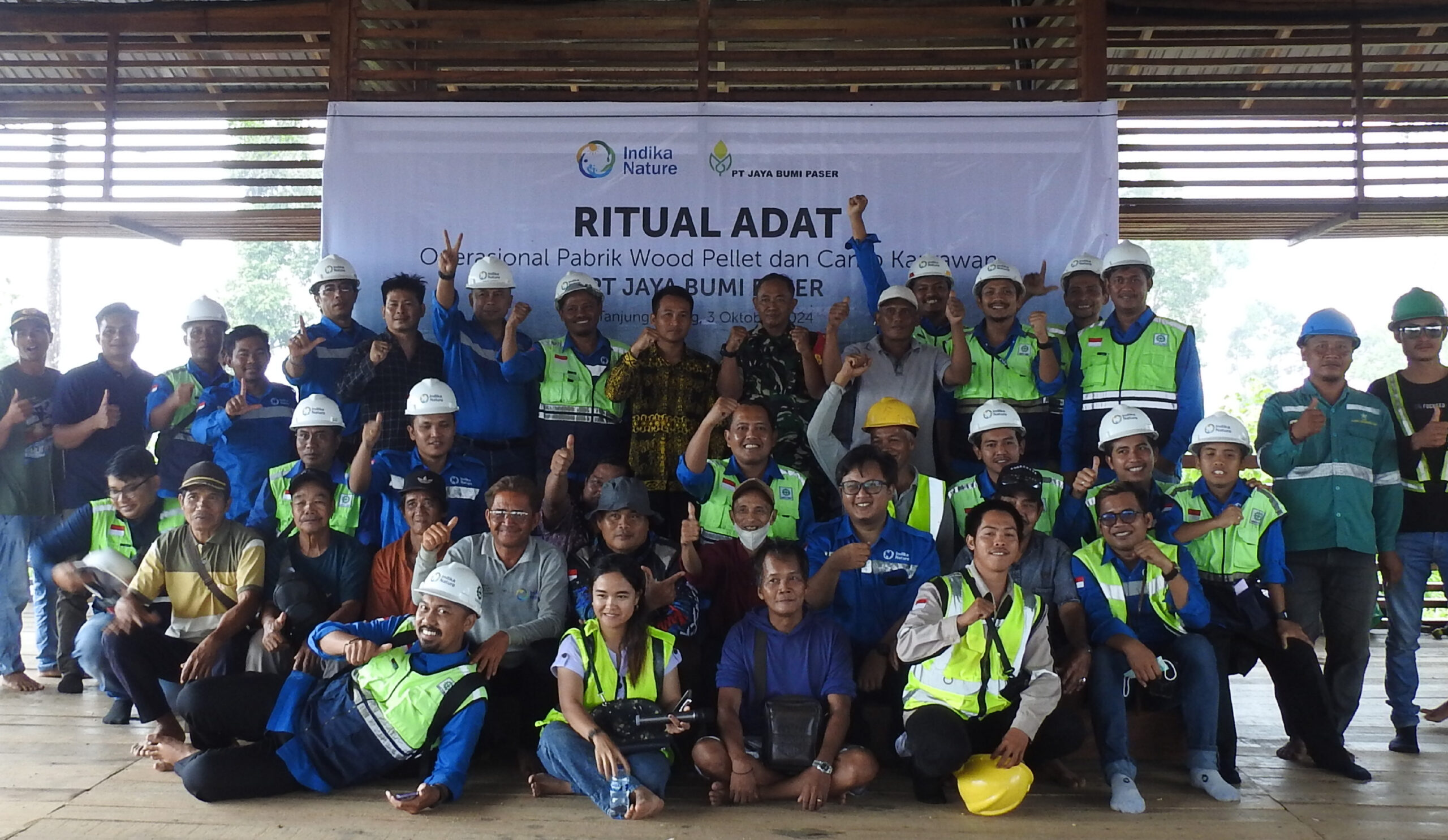
Ritual Adat in Tanjung Pinang: Harmonization between Man and Nature